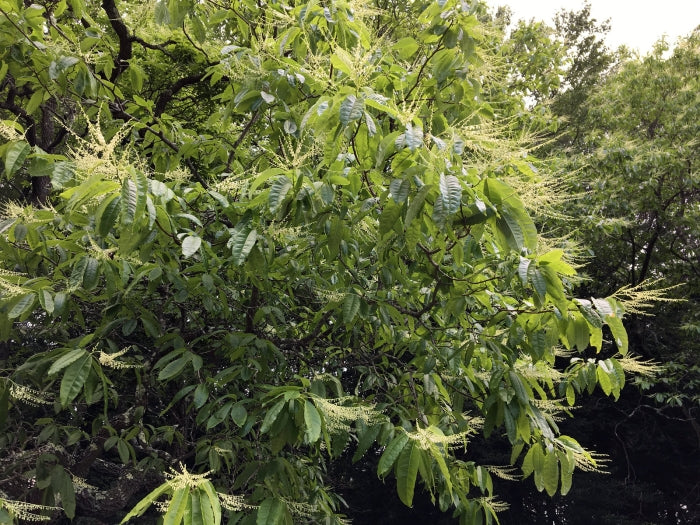
Sourwood Tree (Oxydendrum arboreum) – Bare Root Seedlings
Sourwood Tree (Oxydendrum arboreum) – Bare Root Seedlings
Couldn't load pickup availability
The tree behind some of the most prized honey in America
By: Veteran Berries
A Top Nectar Source for Honeybees + A Stunning Native Landscape Tree
Give your land a beautiful, hard-working tree that both pollinators and homeowners love.
The Sourwood Tree (Oxydendrum arboreum) is famous for its cascading summer blooms and for producing one of the most sought-after honeys in North America. If you keep bees, want to increase pollinator activity, or simply want a striking native hardwood with four-season appeal, sourwood is a smart long-term choice.
Why Sourwood Is a Must-Have for Beekeepers
Sourwood is widely recognized as one of the strongest midsummer nectar producers among native trees.
When many plants slow down during the summer nectar gap, sourwood trees burst into bloom with long chains of fragrant, bell-shaped white flowers. Honey bees work these trees relentlessly.
Beekeepers value sourwood because it provides:
- Heavy nectar flow during midsummer when forage is limited
- Consistent bee activity throughout the day
- Production of legendary sourwood honey — light-colored, smooth, and highly prized
- A floral scent that attracts pollinators from a distance
If you want your property buzzing with life, sourwood delivers.
Seasonal Beauty All Year
- Spring: Fresh green foliage emerges, signaling strong early growth
- Summer: Elegant white bloom clusters rich in nectar
- Fall: Brilliant red, purple, and bronze foliage
- Winter: Decorative seed capsules and strong branch structure
It’s a true four-season native showpiece.
Growing Characteristics
- Mature Height: 25–30 feet
- Mature Spread: 15–20 feet
- Hardiness Zones: 5–9
- Growth Rate: Moderate (approximately 13–24 inches per year under good conditions)
- Light Requirements: Full sun to partial shade
- Soil Preference: Acidic, well-drained soils
- Water Needs: Regular watering during establishment; drought-tolerant once established
Sourwood naturally thrives in forest edges and woodland settings, making it an excellent choice for homesteads, apiaries, and pollinator corridors.
Planting Tips for Best Success
- Plant in early spring or fall while the tree is dormant
- Choose a site with acidic, well-drained soil
- Amend planting hole with compost if native soil is poor
- Apply 2–3 inches of mulch around the base (keep mulch off the trunk)
- Water deeply and consistently during the first 1–2 growing seasons
- Avoid heavy pruning — sourwood performs best when allowed to grow naturally
Once established, sourwood is low-maintenance and long-lived.
The Best of Both Worlds
Pollinator Powerhouse + Landscape Showpiece
The Sourwood Tree combines beauty, longevity, and unmatched pollinator value. Whether you’re planting for future honey production or building a diverse nectar source for your bees, this tree is a rewarding investment that pays dividends for decades.
Learn More from Trusted Beekeepers
Watch these YouTube videos to learn more about Sourwood trees and their importance to honey bees:
- Sourwood Seed Harvesting by Bob Binnie
- Trees & Honeybees – Sourwood (Oxydendrum arboreum) by Tennessee Mountain Bees